

Education equity is not built only inside classrooms. It depends on trust, policy design, cultural respect, funding decisions, family engagement, and whether public institutions listen to the communities most affected by their choices. For Native students, that means schools and states cannot treat Tribal Nations as outside stakeholders. They are governments, cultural authorities, community anchors, and essential education partners.
That distinction matters. In states with large Native student populations, especially Oklahoma, education policy touches sovereignty, language preservation, curriculum, student support, school accountability, transportation, broadband access, mental health, and family trust. When Tribal Nations are included early and meaningfully, policy becomes more accurate. When they are consulted late or symbolically, schools risk repeating the same gaps they claim to solve.
This is why strong Tribal-state partnerships should be understood as an education equity strategy, not just a government relations issue. For Native students, partnership can determine whether school systems recognize identity as an asset, respond to local barriers, and build support around the realities of Native families.
Why Tribal-State Partnerships Matter In Education
Native students often move through education systems shaped by multiple authorities: local districts, state education agencies, federal programs, Tribal governments, and community organizations. That creates both opportunity and risk.

The opportunity is that multiple partners can bring resources, expertise, cultural knowledge, and student-centered services together. The risk is that without coordination, families may face fragmented systems, inconsistent communication, and policies that overlook Native student needs.
Tribal-state partnerships help close that gap by creating formal channels for consultation and shared problem-solving. They also help public schools understand that Native education is not just about test scores. It is about language, identity, belonging, representation, and long-term community well-being.
The Parative Project has often emphasized that educational equity depends on identifying barriers before they become permanent gaps. That same principle applies here. A state may collect data on attendance or graduation, but Tribal partners can help explain what those numbers mean in context. A district may notice lower engagement, but Tribal education leaders may understand whether transportation, family trust, curriculum relevance, or cultural disconnection is contributing to the issue.
That is the difference between measuring inequity and responding to it.
Oklahoma Shows Why Consultation Cannot Be An Afterthought
Oklahoma offers one of the clearest examples of why Tribal-state education partnerships matter. The state is home to 39 federally recognized Tribal Nations, and Native students are a major part of its public education landscape. That makes Tribal consultation more than a procedural requirement. It is a practical necessity for effective education policy.
Oklahoma’s Office of American Indian Education describes its work as organizing federal, Tribal, state, and local educational partners to support more than 130,000 American Indian students. That language is important because it places partnership at the center of student support, not at the edge of the process.
This matters especially when state policy affects curriculum, funding, school accountability, student services, and local district planning. If Tribal Nations are not meaningfully included, decisions can miss the communities they are supposed to serve. If they are included early, policy can become more responsive, culturally grounded, and more likely to earn family trust.
For schools working to improve education access barriers, Tribal-state collaboration offers a model that is both practical and deeply local. It shows that equity work cannot be reduced to a universal checklist. Communities have different histories, strengths, and needs. Good policy makes room for that complexity.
What Strong Partnerships Can Improve For Native Students
Tribal-state partnerships strengthen education equity because they improve the conditions around learning. They do not replace good teaching, strong school leadership, or adequate funding. Instead, they make those efforts more connected to the students they are meant to serve.
| Equity Area | How Tribal-State Partnerships Help |
|---|---|
| Cultural relevance | Support curriculum, language, history, and representation that reflect Native communities accurately |
| Student support | Connect schools with Tribal programs, family services, mentoring, and community resources |
| Policy design | Ensure state and district decisions include Native voices before implementation |
| Data use | Help interpret student outcomes with cultural and community context |
| Family trust | Build more respectful relationships between schools, families, and Tribal governments |
| Funding alignment | Coordinate federal, state, and Tribal resources more effectively |
One of the strongest benefits is cultural relevance. Native students deserve schools where their identity is not treated as an occasional heritage-month topic but as part of the educational environment. That includes accurate Tribal history, Native language support where available, respectful representation, and educators who understand the communities they serve.
Another benefit is better student support. Tribal governments and organizations often operate programs connected to youth development, health, language, scholarships, food security, housing, and family services. When schools know how to collaborate with those programs, students are less likely to fall through institutional gaps.
Partnership also improves policy design. State agencies may understand compliance requirements, but Tribal governments understand local context. The strongest results come when both forms of knowledge are respected.
The Role Of Federal Policy And Meaningful Consultation
Federal education policy has increasingly recognized the importance of Tribal consultation. Under the Every Student Succeeds Act, certain local education agencies are required to consult with Tribes or Tribal organizations when developing plans tied to specific federal education programs.
But consultation should not be treated as a meeting that checks a compliance box. Meaningful consultation requires time, transparency, listening, and follow-through. It means Tribal leaders and education representatives are brought into the process before decisions are finalized, not after a policy direction has already been chosen.
The U.S. Department of Education has also emphasized Tribal consultation as part of the federal trust responsibility and its commitment to improving outcomes for American Indian and Alaska Native students. That principle should guide state and local systems as well.
A practical consultation process should include:
- Early communication before policy decisions are finalized
- Clear data sharing between schools, states, and Tribal partners
- Respect for Tribal sovereignty and government-to-government relationships
- Follow-up after meetings so input is reflected in action
The key word is “relationship.” Consultation works best when it is part of an ongoing partnership, not an annual obligation.
Why Equity Requires More Than Equal Treatment
A common mistake in education policy is assuming that equal treatment automatically creates equitable outcomes. For Native students, that assumption can erase the specific histories and barriers that shape education access.
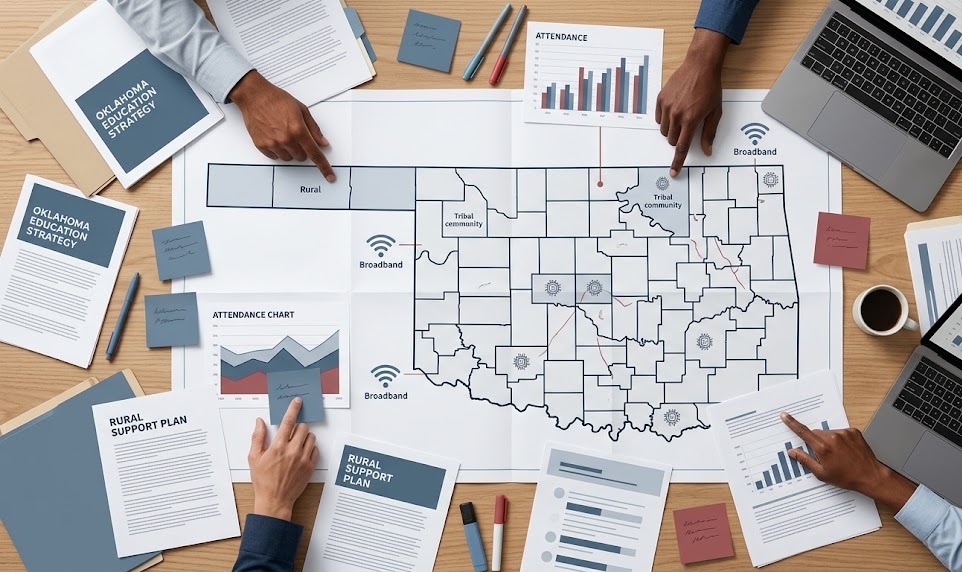
Many Native communities have experienced generations of policies that disrupted language, family systems, cultural continuity, and trust in public institutions. Schools cannot repair those harms with neutral language alone. They need culturally aware policy, shared governance, and sustained community partnership.
That does not mean lowering expectations. It means improving the support around high expectations. Native students should have access to rigorous academics, advanced coursework, college and career pathways, technology, safe transportation, strong teachers, and culturally affirming school environments.
Equity also means recognizing that Native students are not a single, uniform group. Tribal Nations have distinct governments, histories, languages, and community priorities. A policy that works in one place may not fit another. Tribal-state partnerships give education leaders a better way to avoid one-size-fits-all solutions.
How Schools Can Build Stronger Relationships With Tribal Nations
Schools do not need to wait for a crisis to begin building better relationships with Tribal partners. The strongest partnerships are built before urgent problems appear.
Districts can start by identifying which Tribal Nations are connected to the communities they serve, learning existing consultation expectations, and creating consistent communication channels with Tribal education departments. They can invite Tribal input into curriculum review, family engagement, attendance strategies, cultural programming, and student support planning.
Professional development is also important. Educators need more than broad diversity training. They need locally relevant learning that helps them understand Tribal sovereignty, Native student experiences, community history, and respectful engagement practices.
Schools should also review how Native students are represented in data. Are Native students being grouped in ways that hide important patterns? Are attendance, discipline, graduation, and advanced coursework numbers being discussed with Tribal partners? Are families included in conversations about what support actually feels helpful?
A partnership becomes stronger when it moves from symbolic recognition to shared responsibility.
What A Stronger Education Partnership Model Looks Like
The most effective Tribal-state education model is not a single program. It is a system of habits.
It includes regular consultation, transparent data, shared planning, culturally grounded curriculum, clear accountability, and mutual respect between governments. It recognizes that Native student success is not only a district goal or a state goal. It is a community goal.
That model also benefits students beyond Native communities. When schools learn to consult better, listen better, and design policy around community realities, they become more responsive institutions for everyone. Strong Tribal-state partnerships can improve public systems by showing what meaningful collaboration actually looks like.
Education equity often fails when institutions try to solve community problems without community authority. Tribal-state partnerships offer a better path. They remind schools that Native students do not need systems that simply include them. They need systems built with the governments, families, and cultures that have always shaped their learning.